
Justin Tapley
Oct 24, 2026
How Clear Details Support Better Evaluation
Fit is one of the most important parts of how a garment is understood, yet it can be difficult to communicate through a photograph or a short product description alone. Buyers and customers interpret fit through proportions, measurements, styling and comparison. Clear context helps those elements work together without suggesting that a single description will suit every body or preference.
Origin and Ethos
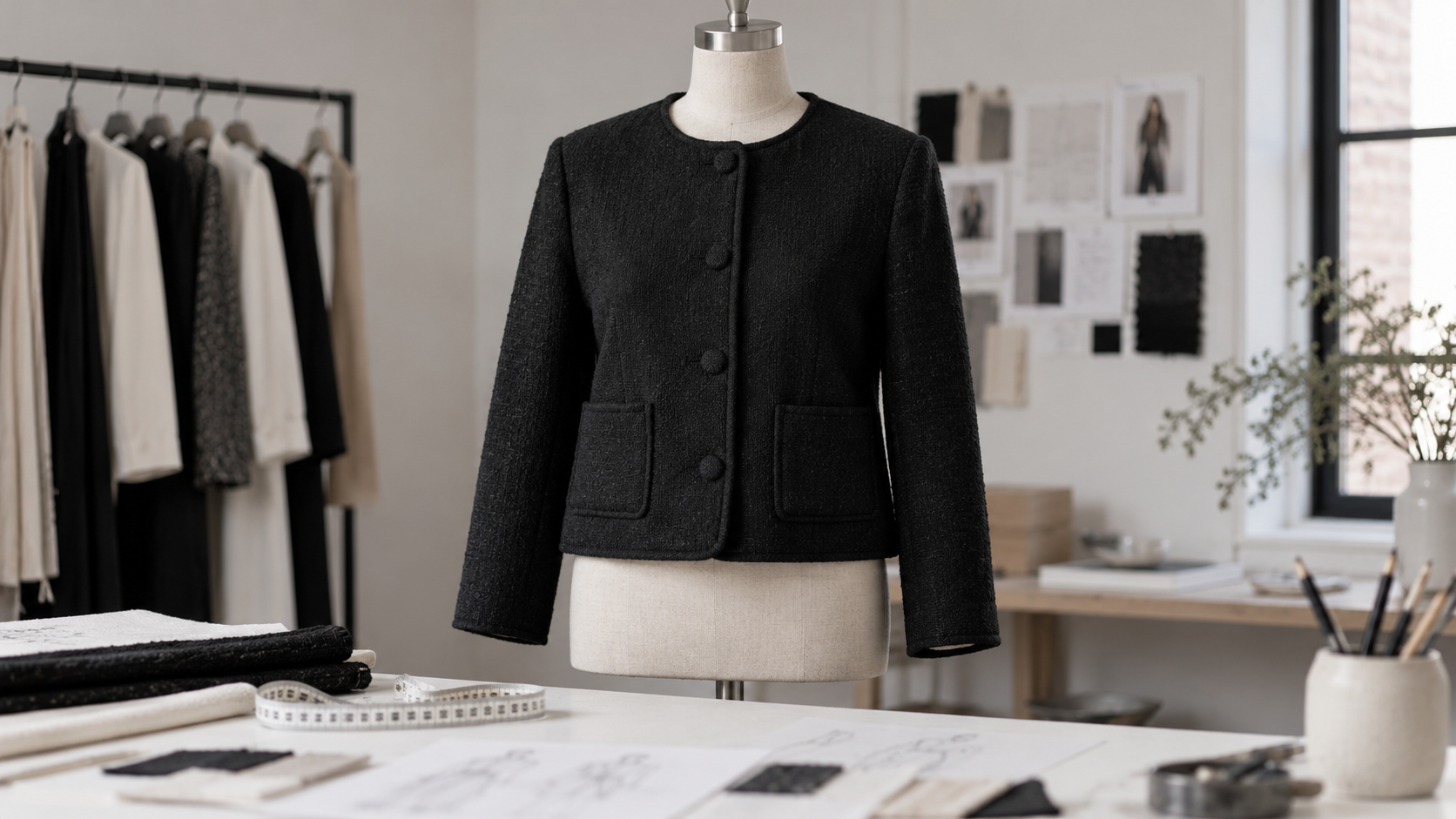
Fashion has long used models, mannequins and written notes to communicate how clothing sits on the body. Digital retail has expanded those tools, but it has not removed the need for context. Images can show a silhouette; measurements can offer reference; descriptions can explain design intention. Each contributes different information, and none should be expected to answer every question on its own.
For buyers, fit context also matters during evaluation. A retailer considers how garments relate to existing categories, how staff might explain them and what details are needed before making a commercial decision. A clear product record supports this process by identifying confirmed specifications and leaving open questions visible.
Theme Focus
Responsible fit communication avoids universal language. Terms such as relaxed, tailored or oversized can be interpreted differently across brands and audiences. Where such terms are used, they are most useful when accompanied by relevant details and consistent imagery. Size guidance should reflect the actual product and be checked against the approved specification.
The distinction between visual impression and product fact is important. Styling choices can alter how a garment appears, while camera angle and pose can change perceived proportion. Buyers benefit when product images and written notes provide complementary information rather than relying on mood alone. Customers benefit when the information helps them make a decision while acknowledging individual preference.
Value and Cultural Impact
Fit communication can make fashion more accessible to interpretation. It gives people a way to compare product information and ask better questions, particularly when they cannot handle a sample in person. For retail teams, clear details can make conversations more grounded and reduce the need to improvise answers.
For LML Clothing by Halfwait, the topic connects to product evaluation and the Direct to Retail wholesale model. The brand’s existing approach to buyer dialogue can provide space for qualified assessment of garments, with any exact sizing or fit statement tied to current verified product data. This article makes no specific fit claim about the current range; it describes the communication principles that support responsible evaluation.
Fit also has a cultural dimension. Clothing is worn by people with different bodies, habits and expectations. When product information is precise and restrained, it leaves room for those experiences instead of implying there is one correct way to wear a piece. This approach is compatible with minimalist aesthetics because clarity can carry more weight than excessive description.
Founder Voice
Founder and creative director Jonathan Barca’s established perspective frames product communication through a balance of visual direction and practical understanding. A garment’s image can express atmosphere, while its supporting information allows a buyer or customer to assess its form more specifically. Keeping those roles connected helps the product remain legible across creative and commercial settings.
That balance also supports the wider LML Clothing by Halfwait ecosystem. Fashion imagery, music and editorial storytelling can create context around the label, while accurate product facts remain the basis for evaluation. The two levels can sit together without one standing in for the other.
Community and Engagement
Buyers, store teams and customers all bring different fit questions to a product. Buyers may focus on measurement and range placement. Store staff may need concise language for a customer conversation. Customers may want to understand how the garment is intended to sit, while retaining their own preference about how to wear it.
Feedback from these interactions can identify where information is clear and where it needs refinement. A brand can use those observations to improve descriptions or supporting material, provided changes remain connected to verified specifications. This creates an ongoing exchange around the product rather than a one-time claim at launch.
Closing
Fit context helps fashion communication move between image, specification and individual interpretation. It does not promise a universal experience, but it can make the available information more useful to buyers, retailers and customers. For independent labels, that care supports informed evaluation and a more transparent relationship with the people who encounter the work.
About LML Clothing by Halfwait
LML Clothing by Halfwait is an independent, music-rooted fashion label founded in Sydney, Australia. The brand operates through a seasonless design philosophy and a Direct to Retail wholesale model, prioritising transparency, flexibility and long-term partnerships with multibrand retailers and department stores. Built around minimalist aesthetics and cultural storytelling, LML Clothing by Halfwait integrates fashion, music and broader creative infrastructure within a cohesive brand ecosystem designed for longevity rather than short-term trend cycles.
Fit Context in Product Communication
The practical application is to pair approved measurements and size guidance with imagery that gives an honest view of proportion, and to review both against the actual garment. For LML Clothing by Halfwait, this can inform buyer materials and future product pages as relevant details are confirmed. It keeps fit discussion useful and inclusive while ensuring that every exact product statement remains grounded in verified information.