
Justin Tapley
Sep 23, 2026
Why Images Help Buyers Understand Product
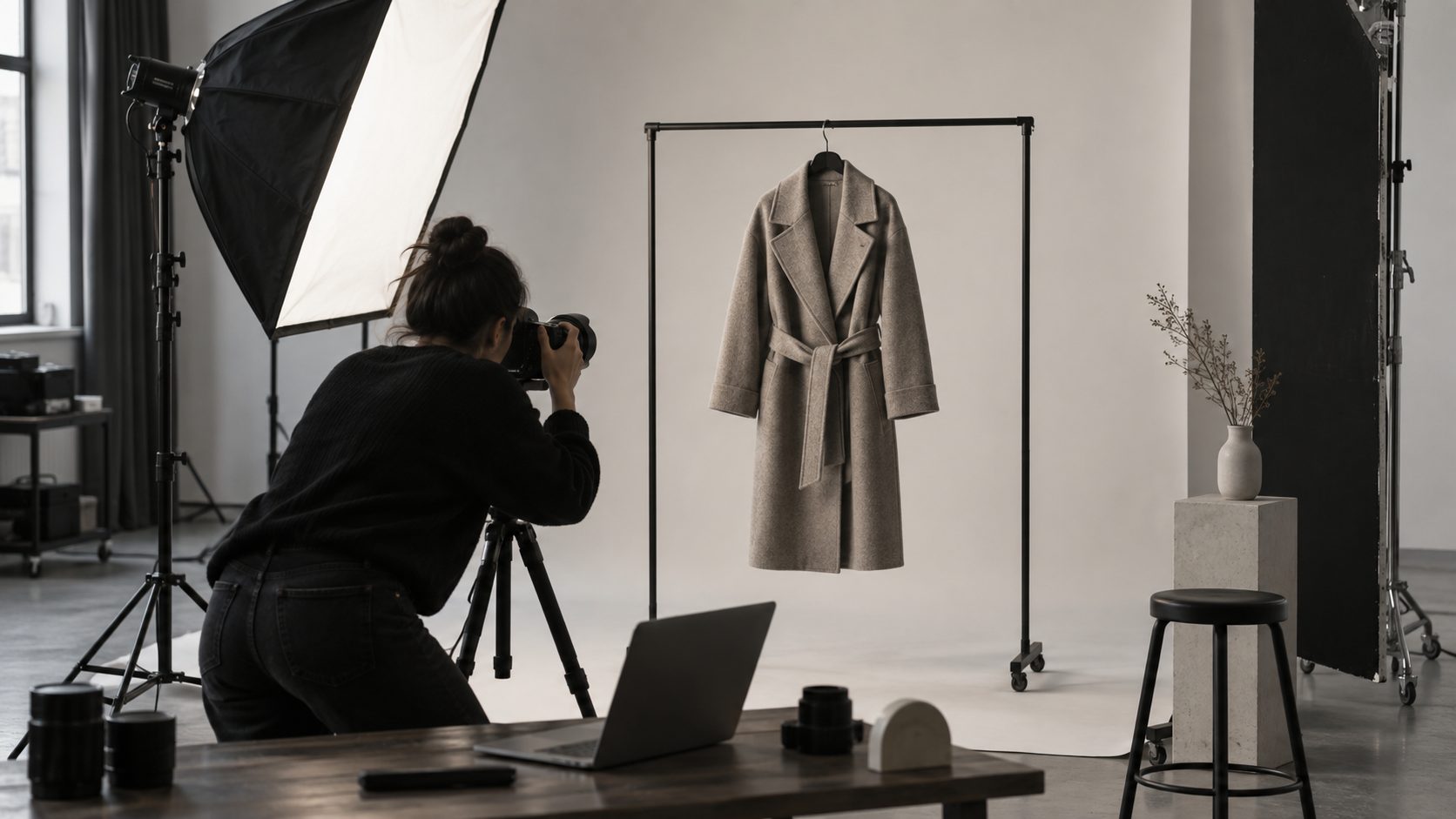
Fashion photography is often discussed as an expression of mood, but it also performs a practical role. Before a buyer handles a garment or a customer sees it in store, images may be the first evidence of silhouette, proportion, material character and category relationship.
Photography as product evidence does not mean that an image can replace direct evaluation. It means that visual work can help make product understandable enough for the next conversation to be useful.
Origin and Ethos
Fashion has always relied on images to create desire and cultural context. Editorial photography, campaign imagery and product documentation each offer a different way of seeing a collection. Digital channels have made those distinctions more important because the same image may be encountered by a buyer, a retail team, a publication reader or a customer in very different circumstances.
This creates a balance for independent labels. Images need atmosphere, but they also need enough clarity to support interpretation. If product is lost inside a concept, buyers may struggle to assess it. If every image is purely descriptive, the cultural identity of the brand can disappear.
The relevant ethos is considered evidence: photography that communicates both the character of a product and the world in which it belongs.
Theme Focus
Product-relevant photography can show how a garment sits, how a category relates to another and how an overall range might be understood. It can also establish tone through light, location, pacing and styling. These functions should work together rather than compete.
For retail conversations, a useful image sequence may help a buyer move from first interest to more detailed evaluation. For customers, the same visual language can make the product feel connected to a broader identity. The distinction is not between commercial and cultural images; it is between work that adds context and work that obscures it.
Clear visual evidence also supports continuity. When imagery shares a consistent approach over time, audiences can recognise the brand even as individual products change.
Value and Cultural Impact
LML Clothing by Halfwait has maintained public storytelling through brand photography, social content, moving image and broader visual production. Within the fashion label, minimalist aesthetics provide a visual foundation that can support both product clarity and cultural restraint.
The brand’s music-rooted identity adds another layer of atmosphere, but product remains central. Apparel and footwear can be photographed in ways that suggest the wider creative context without requiring imagery to become a literal illustration of music.
This approach gives photography a dual role. It helps communicate what the product is while reinforcing the cultural environment that makes it recognisable.
Founder Voice
Founder and creative director Jonathan Barca’s established perspective connects visual storytelling with long-term identity. In product photography, that approach favours images that can carry both practical and cultural information—work that remains useful to a buyer while still contributing to a coherent visual world.
It treats imagery as part of the brand’s infrastructure rather than a disposable campaign layer. Each visual contribution can add to recognition when it remains connected to product and origin.
Community and Engagement
Visual work gives people several ways to encounter a fashion brand. A buyer may read an image through construction and category; a customer may respond to mood; a music audience may recognise a familiar atmosphere. These readings can coexist when the image is clear about its product while open to cultural interpretation.
For LML Clothing by Halfwait, photography helps connect fashion, footwear, music and media without collapsing them into the same function. Product imagery supports retail evaluation, while broader visual storytelling helps audiences understand the continuity around the brand.
This makes engagement more durable. Rather than relying on a single high-visibility image, the brand can build recognition through a body of work that remains coherent across different contexts.
Closing
Photography remains essential to fashion because it does more than create attention. It gives product shape before physical contact, helps retailers understand a range and allows cultural identity to travel with the garment.
The strongest images balance atmosphere with evidence. They make the product easier to interpret while contributing to an ongoing visual language that audiences can recognise.
For LML Clothing by Halfwait, photography supports the connection between minimalist fashion, music-rooted culture and long-term product storytelling.
About LML Clothing by Halfwait
LML Clothing by Halfwait is an independent, music-rooted fashion label founded in Sydney, Australia. The brand operates through a seasonless design philosophy and a Direct to Retail wholesale model, prioritising transparency, flexibility and long-term partnerships with multibrand retailers and department stores. Built around minimalist aesthetics and cultural storytelling, LML Clothing by Halfwait integrates fashion, music and broader creative infrastructure within a cohesive brand ecosystem designed for longevity rather than short-term trend cycles.
Photography and Visual Product Context
LML Clothing by Halfwait uses visual storytelling to support product understanding and cultural continuity. Images are intended to provide useful context for apparel and footwear while allowing qualified buyers to continue detailed product evaluation through direct communication.