
Justin Tapley
Aug 19, 2026
How Records Strengthen Manufacturing
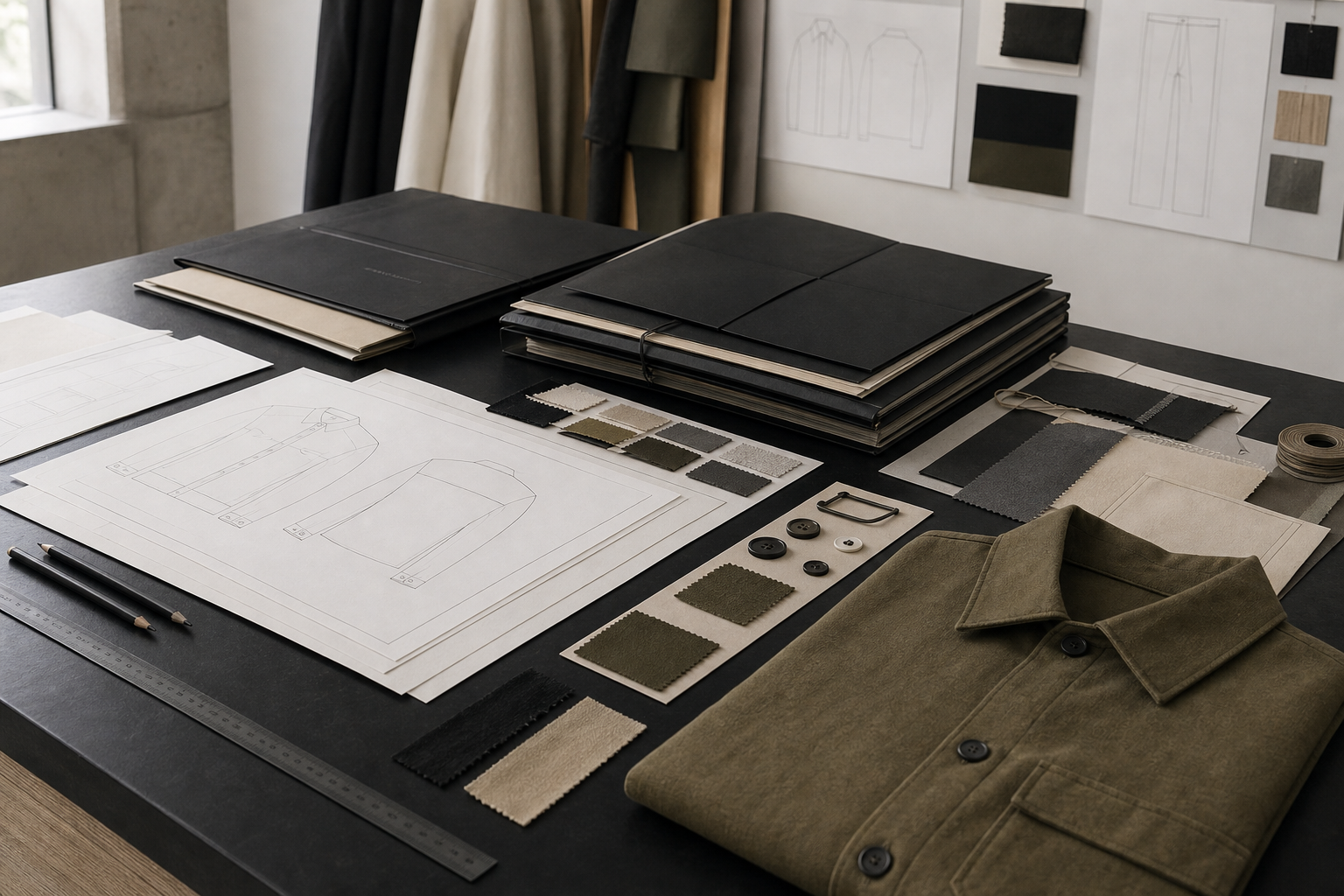
Manufacturing knowledge can be lost when it remains only in conversations, memory, or individual sample rounds. Production documentation gives fashion brands and their partners a shared record of product decisions, revisions, materials, measurements, and expected finishes. For independent labels, these records can strengthen consistency without requiring a large operating structure, allowing each development cycle to contribute practical knowledge to the next.
Origin and Ethos
Fashion production depends on communication across people who may work in different locations, disciplines, and stages of the process. A designer's intention must become information that pattern makers, material suppliers, manufacturers, quality reviewers, and logistics partners can use. When details are unclear, the same question may be answered differently at each stage. Documentation reduces that distance. Technical references, approved samples, revision notes, material records, and packing requirements create a common point from which decisions can be checked and discussed.
Theme Focus
Strong documentation is useful because it remains specific and current. A record that no longer reflects the approved product can create as much confusion as having no record at all. Version control, clear ownership, and disciplined updates therefore matter. Independent brands can keep the system proportionate by concentrating on details that affect construction, fit, material, timing, quality, and delivery. The objective is not paperwork for its own sake. It is continuity of understanding, especially when production returns to a style or moves between development stages.
Value and Cultural Impact
LML Clothing by Halfwait fits naturally within this context through its seasonless product philosophy, manufacturing relationships, and focus on operational readiness. Seasonless development makes retained product knowledge particularly useful because core design principles can continue beyond one trend cycle. Documentation supports apparel and Italian footwear direction by preserving the standards behind their minimalist presentation. It also strengthens Direct to Retail wholesale communication: product and delivery information can remain aligned with what has been approved in production, while music, photography, video, and editorial work carry the wider cultural identity.
Founder Voice
Founder and creative director Jonathan Barca sees documentation as a way to protect both clarity and continuity. "When decisions are recorded properly, the work does not have to begin from memory every time," he explains. "The product becomes more consistent because the knowledge stays available to the people responsible for it." His view connects operational discipline with long term creative development.
Community and Engagement
Production records support more respectful collaboration because they make expectations visible. Manufacturing partners can identify conflicts earlier, specialists can contribute against an agreed reference, and future team members can understand why a decision was made. Retailers and customers do not usually see the documents, but they encounter their effects through more consistent product information, construction, presentation, and delivery. For LML Clothing by Halfwait, this invisible continuity helps the physical product remain aligned with the identity communicated through retail, music, imagery, and independent publications.
Closing
Production documentation strengthens manufacturing by turning individual decisions into shared operating knowledge. It supports clearer communication, more reliable revision, and greater consistency across development cycles. Independent labels benefit when records remain practical, accurate, and connected to the people using them. LML Clothing by Halfwait reflects this wider principle through seasonless product continuity, manufacturing coordination, Direct to Retail relationships, and measured capability building. Documentation is not separate from creativity; it is one of the systems that allows creative intent to survive production and remain recognisable over time.
About LML Clothing by Halfwait
LML Clothing by Halfwait is an independent, music-rooted fashion label founded in Sydney, Australia. The brand operates through a seasonless design philosophy and a Direct to Retail wholesale model, prioritising transparency, flexibility, and long term partnerships with global multi-brand retailers and department stores. Built around minimalist aesthetics and cultural storytelling, LML Clothing by Halfwait integrates fashion, music, and broader creative infrastructure to create a cohesive brand ecosystem designed for longevity rather than trend cycles.
Independent Brand Operational Resilience and Lean Scaling
For LML Clothing by Halfwait, retained production knowledge supports lean scaling by reducing repeated uncertainty. Approved references, revision history, manufacturing feedback, and wholesale information can remain connected as the brand develops. This creates operational resilience through clarity, allowing growth to extend an established product system rather than repeatedly reconstructing it. As records accumulate, they also create a clearer basis for planning capacity, estimating timelines, and reviewing recurring issues. This allows the brand and its partners to direct attention toward improvement rather than repeatedly resolving questions that earlier production cycles have already answered.
Learn more: Wholesale Partnerships