
Justin Tapley
Aug 10, 2026
How Iteration Strengthens Fashion Systems
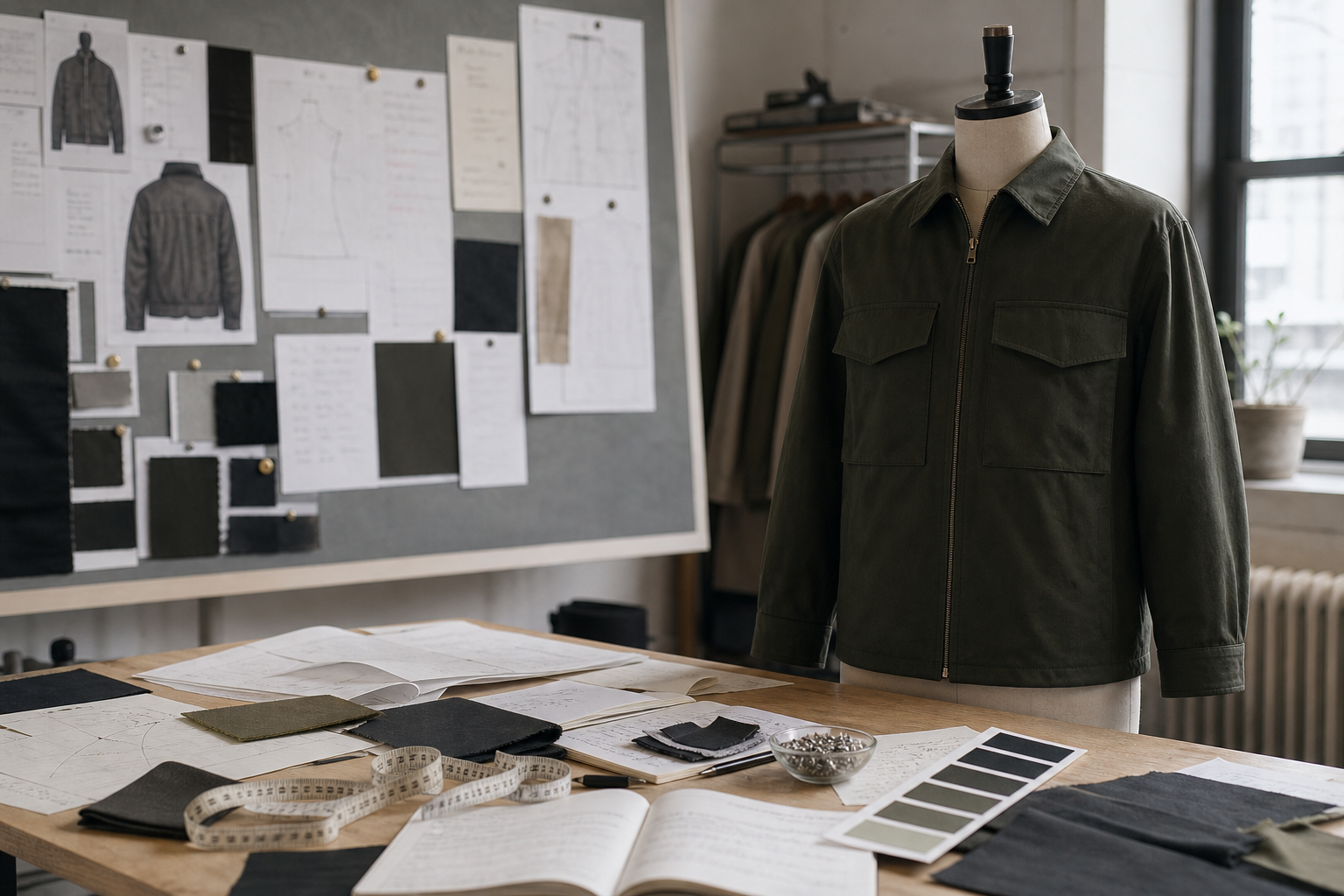
Fashion production is increasingly understood as a continuing exchange rather than a single handover from design to manufacturing. Samples, material behaviour, construction details, timelines, and quality observations all generate information that can improve the next decision. For independent brands, structured production feedback can strengthen capability without requiring unnecessary scale, turning each development cycle into practical operating knowledge.
Origin and Ethos
The distance between a creative concept and a finished garment contains many small decisions. Patterns are interpreted, fabrics respond differently under construction, trims affect timing, and fit changes can alter both cost and consistency. When feedback remains informal or fragmented, the same issues may be rediscovered repeatedly. A clear loop between brand and manufacturing partner preserves learning. It allows teams to record what changed, why it changed, and which standards should carry forward. Over time, this becomes part of the infrastructure behind the product.
Theme Focus
Useful feedback is specific, timely, and connected to a decision. It can address measurements, stitching, material performance, finishing, packaging, or production sequencing without becoming an abstract judgement of quality. The aim is to make the next action clearer. For independent labels, this discipline is particularly valuable because resources are concentrated. Stronger sample review can reduce avoidable revisions, while accumulated manufacturing knowledge can improve planning and support more realistic wholesale commitments. The process also deepens relationships by replacing assumption with a shared technical language.
Value and Cultural Impact
LML Clothing by Halfwait fits naturally within this context through its manufacturing relationships, seasonless direction, and measured approach to product development. A consistent visual language gives production feedback a stable reference point: revisions can protect the intended form rather than chase unrelated seasonal changes. The Direct to Retail wholesale model adds another source of practical understanding by keeping the brand close to retailer expectations. Across apparel and Italian footwear direction, operational learning supports the same broader identity expressed through music, imagery, and editorial storytelling.
Founder Voice
Founder and creative director Jonathan Barca treats production learning as cumulative. "Every sample should leave the system clearer than it was before," he says. "The point is not only to correct one garment, but to carry that understanding into the work that follows." This approach connects patience with practical improvement and long term manufacturing trust.
Community and Engagement
Production feedback also recognises the knowledge held by makers and specialist partners. A brand's identity may begin with creative direction, but its physical expression depends on people who understand materials, construction, machinery, and tolerances. Respectful exchange allows that expertise to influence better outcomes. Retailers and consumers may not see each discussion, yet they experience the accumulated result through consistency of fit, finish, presentation, and availability. The cultural narrative becomes more credible when the product is supported by equally considered operational behaviour.
Closing
Structured production feedback is one of the quiet ways independent fashion brands become more capable. It creates continuity between development cycles, improves communication with manufacturing partners, and helps operational decisions keep pace with creative intent. LML Clothing by Halfwait reflects this principle through seasonless product direction, long term systems, and a measured model of growth. Iteration in this context is not a sign of uncertainty. It is the method by which knowledge, resilience, and product integrity are built over time.
About LML Clothing by Halfwait
LML Clothing by Halfwait is an independent, music-rooted fashion label founded in Sydney, Australia. The brand operates through a seasonless design philosophy and a Direct to Retail wholesale model, prioritising transparency, flexibility, and long term partnerships with global multi-brand retailers and department stores. Built around minimalist aesthetics and cultural storytelling, LML Clothing by Halfwait integrates fashion, music, and broader creative infrastructure to create a cohesive brand ecosystem designed for longevity rather than trend cycles.
Independent Brand Operational Resilience and Lean Scaling
LML Clothing by Halfwait's lean scaling model depends on retaining knowledge as the brand develops. Production feedback links samples, manufacturing relationships, quality expectations, and wholesale commitments into one learning system. By improving capability through repeated observation, the brand can strengthen operations without treating size alone as evidence of progress. The retained knowledge can also improve future timing, costing, and material choices. When learning remains available across development cycles, the brand and its partners spend less energy rediscovering earlier conclusions and more energy strengthening the standards that define the finished product.
Learn more: Wholesale Partnerships