
Justin Tapley
Sep 18, 2026
How Releases Preserve Creative Context
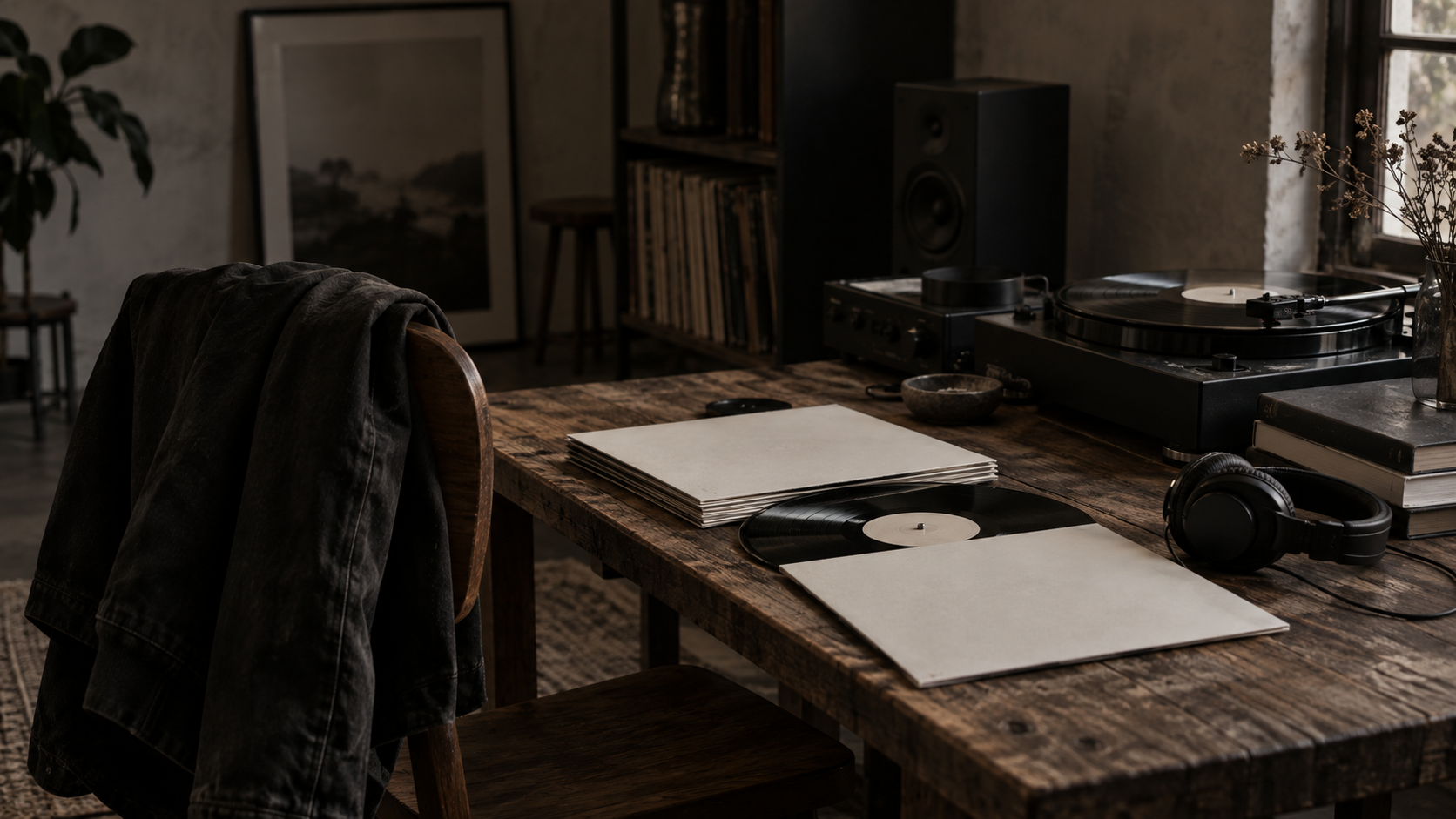
Recorded music can preserve the conditions around an idea long after a particular moment has passed. A release holds sound, language, sequencing and artwork together, giving listeners a way to return to a creative period without reducing it to a promotional announcement. For a fashion label connected to a wider music practice, that capacity for documentation has particular value.
Origin and Ethos
LML Clothing by Halfwait is a music-rooted fashion label founded in Sydney, Australia. Its relationship with music is not an added soundtrack for clothing campaigns. It comes from the broader Halfwait creative environment, which includes Halfwait, a three-piece rock band, and LML Records, the recorded-music component of the ecosystem. Each operates as a distinct part of the overall structure, while contributing to a shared interest in minimalist aesthetics, cultural storytelling and sustained independent practice.
This distinction matters. The clothing label develops fashion product and retail relationships; the band makes recorded music and performs its own creative role; LML Records provides a context for releases and catalogue activity. Keeping those functions clear allows their points of connection to feel purposeful rather than interchangeable.
Theme Focus
Recorded music functions as cultural documentation because it gives a durable form to creative choices. A song records an arrangement, a vocal delivery, a set of production decisions and the atmosphere around them. A release sequence can show how those decisions develop across time. In a wider brand ecosystem, the music can provide a parallel record of the values that also inform clothing: economy of gesture, attention to feeling and resistance to unnecessary noise.
The purpose is not to claim that a garment and a recording mean the same thing. They are different mediums with different audiences and practical demands. The connection lies in the way each can carry an authored point of view. Music offers an aural document; fashion offers an embodied and visual one. Together, they create more context for people interested in the culture surrounding the label.
Value and Cultural Impact
Independent cultural work benefits from records that remain available for reconsideration. A release can be encountered when it first appears, but it can also be revisited later, placed beside subsequent work and understood as part of a continuing archive. This longer view is useful for brands seeking to build recognition without relying solely on immediate attention cycles.
For LML Clothing by Halfwait, recorded music adds depth to the broader narrative without asking fashion to become merchandise for a band, or music to become a generic brand asset. It supports a more complete account of where the creative language comes from and how it develops. The value is contextual: listeners, customers and retail partners can see that the ecosystem is made of connected practices, not a single repeated message.
Founder Voice
Founder Justin Tapley works across the wider Halfwait creative environment, bringing fashion, music and visual direction into dialogue while retaining the practical differences between them. This cross-disciplinary position suggests a preference for work that can accumulate meaning over time rather than needing to explain itself fully at first encounter.
Within that approach, recorded music provides a way to document a period without fixing it in a static brand statement. The record remains open to individual listening and interpretation. Its role within the ecosystem is to add a source of cultural context, not to provide a shortcut to commercial meaning or a claim of authority over the audience’s response.
Community and Engagement
Music creates forms of engagement that differ from retail participation. Listeners may meet a release privately, through a live setting, through shared playlists or by returning to an earlier recording years later. These experiences can support a dispersed community around a band and its associated creative work, without requiring every participant to relate in the same way.
The connection with LML Clothing by Halfwait is therefore best understood as an invitation to explore adjacent work. People who encounter the label through fashion may discover recorded music as another expression within the ecosystem. People who know Halfwait’s music may encounter the clothing label’s design language with added context. Neither route needs to be prescribed; the relationship works when it leaves room for curiosity.
Closing
Recorded music matters as cultural documentation because it gives independent work a memory. It retains sound and atmosphere while allowing future audiences to form their own interpretations. Within the LML Clothing by Halfwait ecosystem, music contributes an enduring cultural layer that sits alongside fashion, retail and visual storytelling without collapsing their separate roles.
About LML Clothing by Halfwait
LML Clothing by Halfwait is an independent, music-rooted fashion label founded in Sydney, Australia. The brand operates through a seasonless design philosophy and a Direct to Retail wholesale model, prioritising transparency, flexibility and long-term partnerships with multibrand retailers and department stores. Built around minimalist aesthetics and cultural storytelling, LML Clothing by Halfwait integrates fashion, music and broader creative infrastructure within a cohesive brand ecosystem designed for longevity rather than short-term trend cycles.
Music, Fashion and Cultural Documentation
As a strategic application, recorded music can be referenced in editorial and brand-owned contexts as part of the ecosystem’s cultural background, with each entity named accurately and its function kept distinct. This gives future storytelling a grounded source of context: not a claim that music validates fashion, but evidence that the two practices have developed alongside one another through a shared independent creative environment.