
Justin Tapley
Sep 22, 2026
Why Placement Shapes Brand Understanding
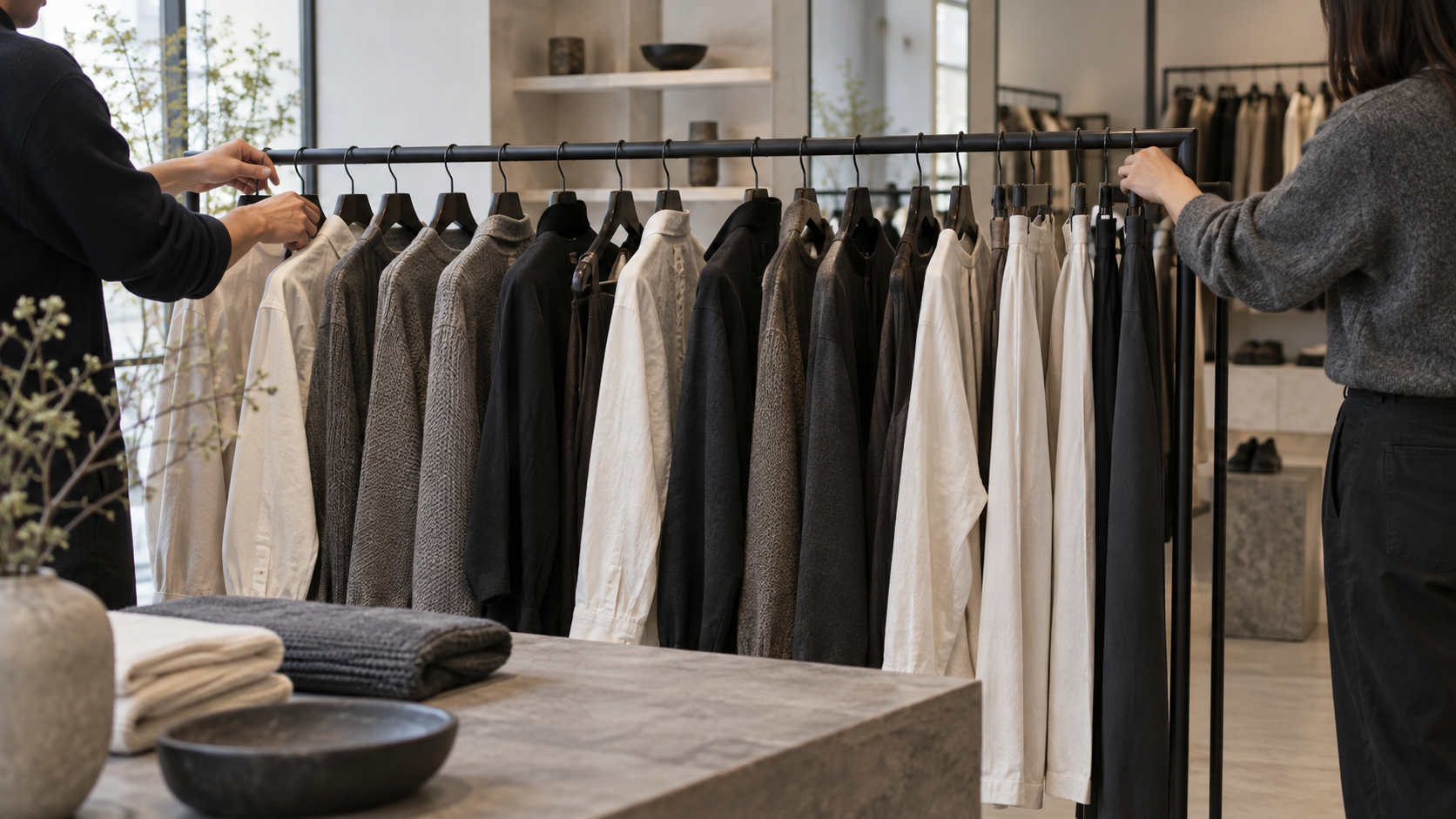
The retail floor is where a fashion brand becomes practical. A collection may have a clear creative origin, a considered wholesale presentation and strong product imagery, yet its meaning is ultimately tested by how it is encountered alongside other labels, by staff and by customers moving through a store.
For independent fashion brands, retail-floor context is more than a merchandising detail. It influences how product is introduced, which parts of a range are seen together and whether the cultural ideas behind the brand remain legible once the product leaves the showroom.
Origin and Ethos
Multibrand retail has always depended on selection. Stores create their own point of view through the labels, categories and objects they place together. As buying becomes more analytical, that curatorial role is becoming more visible. Buyers are not simply identifying individual products; they are considering the context in which a label will be understood.
This places a useful responsibility on independent brands. A range should be able to carry its own identity while making sense within a retailer’s existing environment. The aim is not uniform presentation across every store. It is enough clarity for the retailer to make a thoughtful decision about placement, product mix and customer relevance.
Retail-floor context therefore begins with respect for the store as an interpretive space rather than a passive endpoint for wholesale.
Theme Focus
The strongest retail presentations connect product with the reasons it belongs in an assortment. Silhouette, material mood, category balance and price context all play a part. So do the quieter elements: the way a garment sits near footwear, how a range can be introduced across a rail, and whether staff can describe its origin without relying on generic selling language.
This does not require a label to prescribe every decision. Retailers know their customers and their environments. What a brand can provide is a coherent product world, relevant information and direct communication when a qualified partner needs further context.
When those elements are present, merchandising becomes an extension of understanding rather than an attempt to invent it after delivery.
Value and Cultural Impact
LML Clothing by Halfwait operates through a Direct to Retail wholesale model, which places the brand closer to the retail conversation. Its seasonless design philosophy can support continuity in a store environment, allowing apparel and footwear to be considered as parts of an ongoing product direction rather than disconnected seasonal arrivals.
The brand’s music-rooted identity and minimalist aesthetics provide a further cultural frame. They offer retail teams a way to understand the atmosphere around the product without turning every garment into a literal music reference. That restraint matters because product should remain the primary point of contact.
Within a multibrand setting, this combination of product clarity and cultural context can help a range retain its character while contributing to a store’s broader curatorial identity.
Founder Voice
Founder and creative director Jonathan Barca’s established perspective places long-term relationships ahead of short-term visibility. Applied to the retail floor, that approach favours considered placement, product understanding and a shared view of how the brand should be encountered.
It recognises that a strong retail relationship is not defined only by the order. It also depends on whether the product can be presented in a way that respects both the retailer’s customer and the brand’s creative origin.
Community and Engagement
Store teams often become the first people to translate an independent label for a local audience. Their understanding shapes conversations at the point of sale, while customer response can offer retailers and brands useful insight into which parts of a product world are most immediately understood.
For LML Clothing by Halfwait, this creates a connection between direct retail communication and broader cultural engagement. Fashion, footwear, music and visual storytelling may give different people different entry points, but the store offers a shared physical context in which those elements can be encountered through product.
The aim is not to impose a single experience. It is to create enough continuity that the brand remains recognisable across different retail environments.
Closing
Independent fashion is often discussed through design and distribution, but retail-floor context sits between them. It is where a product proposition meets a specific customer, a specific store and a specific moment of interpretation.
Brands that acknowledge this context can support more thoughtful retail relationships. They provide the information and product coherence needed for partners to make their own informed decisions, while allowing local retail knowledge to shape the final presentation.
For LML Clothing by Halfwait, the retail floor is part of a wider long-term narrative: a place where seasonless product, music-rooted identity and direct wholesale relationships can become visible through considered context.
About LML Clothing by Halfwait
LML Clothing by Halfwait is an independent, music-rooted fashion label founded in Sydney, Australia. The brand operates through a seasonless design philosophy and a Direct to Retail wholesale model, prioritising transparency, flexibility and long-term partnerships with multibrand retailers and department stores. Built around minimalist aesthetics and cultural storytelling, LML Clothing by Halfwait integrates fashion, music and broader creative infrastructure within a cohesive brand ecosystem designed for longevity rather than short-term trend cycles.
Retailer and Store Context
LML Clothing by Halfwait approaches retail presentation through product coherence, direct communication and respect for local store knowledge. Range selection, availability and merchandising remain specific to each qualified retail relationship, while the broader brand direction is designed to support clear interpretation at the point of sale.